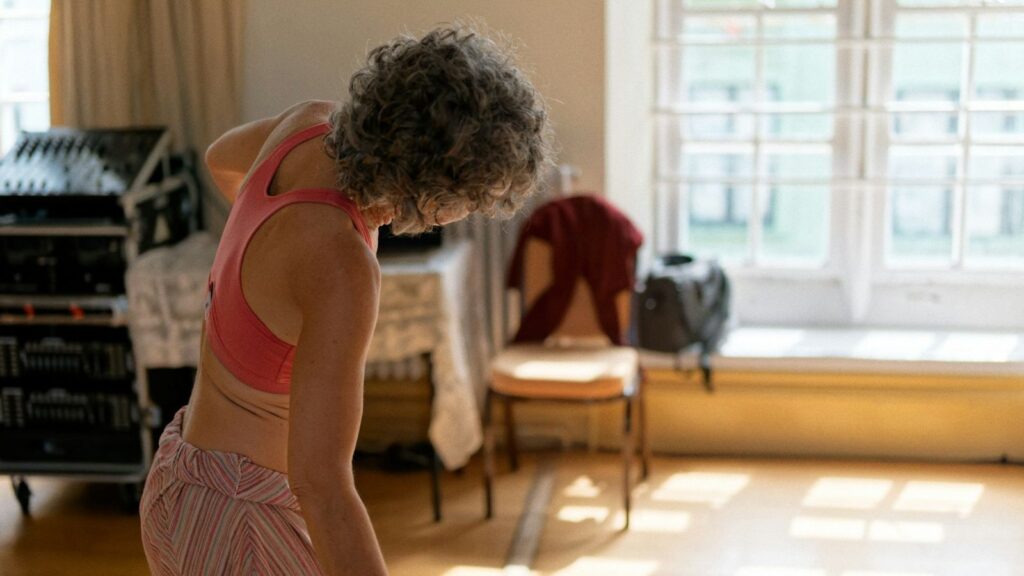
“My metabolism slowed down” is the standard explanation for midlife weight gain, and it is repeated so often that it rarely gets examined. When researchers have measured total energy expenditure across the lifespan, the picture they found does not match the folklore.
Key takeaways
- Large-scale measurement suggests total energy expenditure, adjusted for body composition, is relatively stable from roughly the twenties into the sixties.
- The most meaningful age-related change is a fall in muscle mass, which lowers expenditure — and that is addressable.
- Activity levels typically decline substantially through midlife, often more than diet changes.
- Sleep, stress and menopause affect appetite and fat distribution and are frequently misread as metabolic slowing.
What the measurements show
Precisely measuring human energy expenditure is difficult, which is part of why the folklore survived so long. Modern work using doubly labelled water — the reference method for measuring total energy expenditure in free-living people — has allowed researchers to examine large pooled datasets across the whole lifespan.
The broad picture that emerges is of four phases rather than a steady decline: very high expenditure in infancy relative to size, a gradual decline through childhood and adolescence, then a long plateau across most of adult life once you adjust for body size and composition, with a genuine decline beginning later than most people assume.
The key phrase is adjusted for body composition. Unadjusted, expenditure does fall. But much of that fall is explained by the tissue you are carrying, not by a change in how efficiently that tissue works.
Metabolic rate does not fall off a cliff at forty. Muscle mass, sleep quality and daily movement all do, and they are easy to mistake for the same thing.Reframing the midlife metabolism question
So what is actually changing
Muscle mass
Muscle is metabolically active tissue. Losing it lowers resting expenditure directly, and lowers it further indirectly by reducing what you are capable of doing. This is the single largest contributor — and it is the one that responds to training.
Movement
Between thirty and fifty, most people’s lives get less physically demanding: desk work, driving, childcare that involves more sitting than carrying, less unstructured activity. This is often a much larger change than anything happening at the cellular level.
Sleep
Sleep quality tends to deteriorate through midlife, and short sleep reliably increases appetite and reduces the inclination to move. It affects both sides of the energy balance at once.
Hormonal change
Perimenopause and menopause change fat distribution toward the abdomen and can disrupt sleep and appetite regulation. Testosterone decline in men is slower but has a similar directional effect on muscle mass.
Why the distinction matters
If your metabolism has irreversibly slowed, the story ends. If you have lost muscle, moved less and slept worse for fifteen years, every one of those has a route back — not to being twenty-five, but to a materially better position than the one you are in.
That is not a motivational framing. It is what the mechanisms actually imply.
Menopause is a genuine variable, not an excuse. Falling oestrogen changes where fat is stored, affects sleep and can alter appetite regulation. If this is relevant to you, it is worth discussing with a GP who takes it seriously — including whether HRT is appropriate.
The four things worth doing
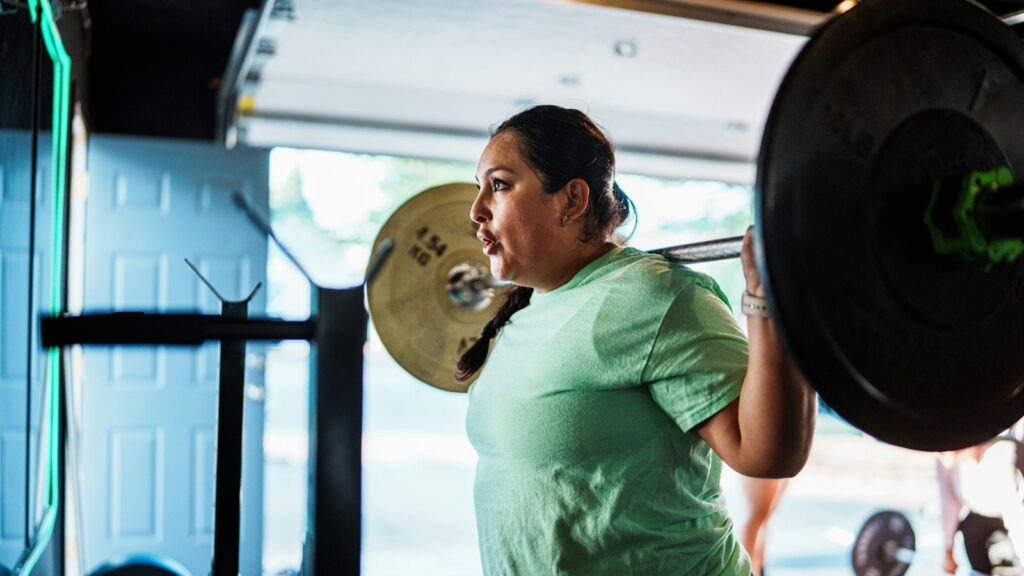
- Resistance training twice a week. The only intervention that directly rebuilds the tissue you lost.
- Protein at every meal. Roughly 25–30g, which makes the training count.
- Defend your sleep. It is upstream of appetite, energy and adherence to everything else.
- Rebuild daily movement. Steps, stairs, standing. This is where most of the lost expenditure actually went.
Sources and further reading
- National Institute on Aging. Health topics: exercise, nutrition and healthy ageing. www.nia.nih.gov/health
- Harvard T.H. Chan School of Public Health. The Nutrition Source. nutritionsource.hsph.harvard.edu/
- NHS. Live Well: eat well, exercise and sleep guidance. www.nhs.uk/live-well/
- Centers for Disease Control and Prevention. Physical activity basics and adult guidelines. www.cdc.gov/physical-activity/
This article is general information and is not a substitute for advice from a qualified clinician.