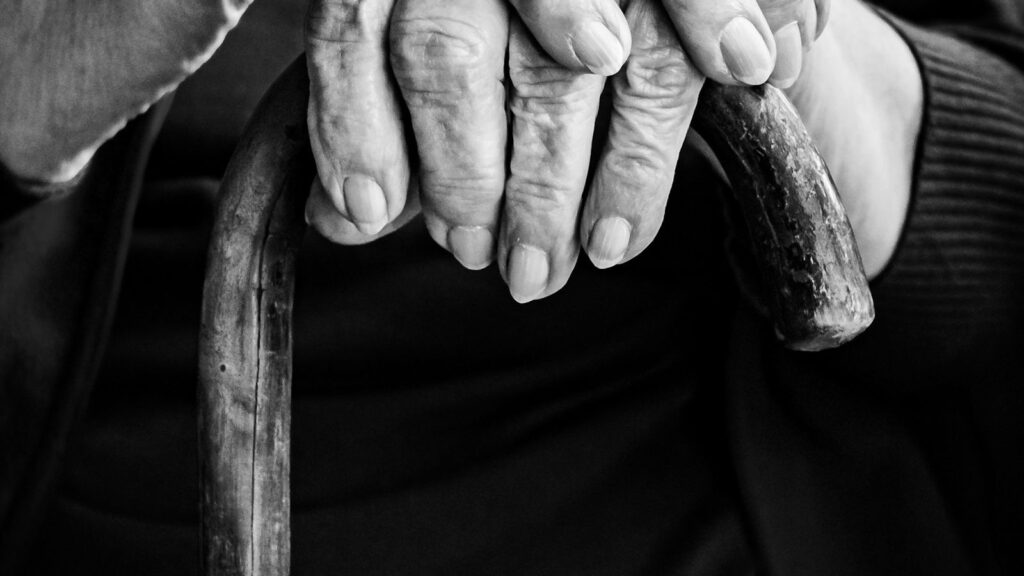
Somewhere in your forties, ordinary things start asking more of you. The suitcase into the overhead locker. The second flight of stairs. You put it down to age, or to being busy, or to sleeping badly. But the most common explanation is more specific than that, and considerably more actionable: you are losing muscle, and you have probably been losing it for years.
Key takeaways
- Adults typically begin losing muscle mass from around the age of 30, and the rate accelerates after 60 if nothing intervenes.
- The condition has a name — sarcopenia — and it is a recognised clinical diagnosis, not an inevitability.
- Scales usually miss it. You can lose muscle and gain fat while your weight stays flat, a pattern sometimes called normal-weight sarcopenia.
- Two interventions have the strongest evidence behind them: resistance training and eating enough protein, spread across the day.
- Persistent weakness, unexplained fatigue or unintentional weight loss should be assessed by a clinician rather than self-treated.
What sarcopenia actually is
Sarcopenia is the progressive loss of skeletal muscle mass, strength and function that comes with age. The word is relatively new in public conversation but the process is not: researchers have described it for decades, and it now has formal diagnostic criteria based on measured grip strength, walking speed and muscle mass.
The widely cited figure is that adults lose somewhere in the region of 3 to 8 per cent of their muscle mass per decade from their thirties onward, with the decline steepening later in life. What matters more than the exact percentage is the compounding: a loss you cannot perceive at 40 becomes a loss you cannot ignore at 70.
Crucially, strength falls faster than size. You can lose a meaningful amount of force production before there is any visible change in how your arms or legs look — which is exactly why the early stage is so easy to explain away.
Muscle is not decoration. It is where most of the glucose you eat is stored, and it is the tissue that determines whether you can get off the floor unassisted at 80.Why clinicians increasingly treat muscle mass as a vital sign
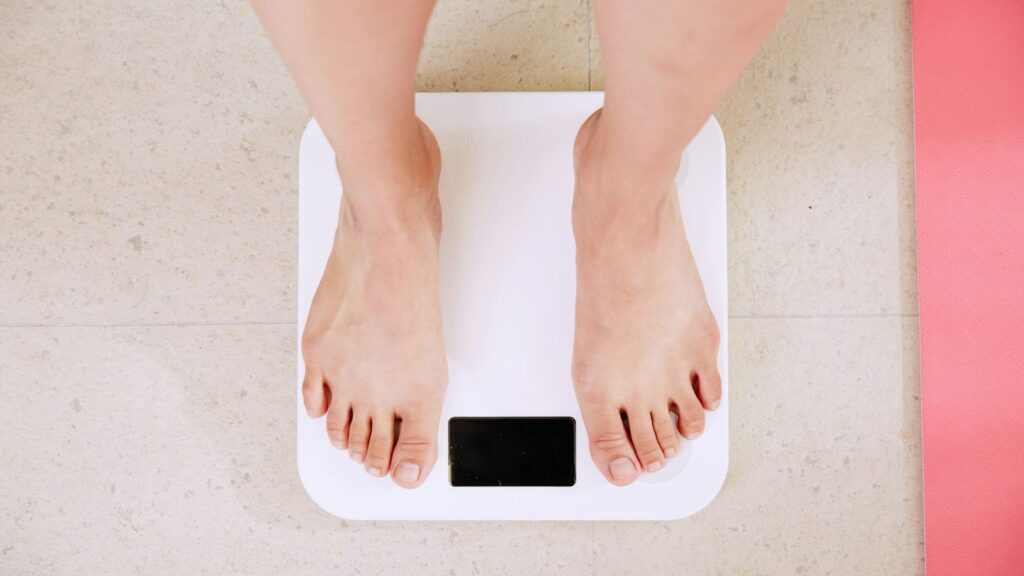
Why the bathroom scale hides it
Muscle is denser than fat. When you lose a kilogram of muscle and gain a kilogram of fat, the number on the scale does not move, but almost everything else has changed: your resting metabolic rate is lower, your insulin sensitivity is worse, and your functional strength has dropped.
This is why weight alone is a poor instrument for tracking what happens to your body after 40. More useful markers are practical rather than numerical:
- Grip. Jars, taps and bottle tops becoming harder is a genuine clinical signal, not a quirk.
- Rising from a chair. Needing your hands to push up from a low seat is a standard screening observation.
- Walking pace. Being routinely overtaken on the pavement when you were not before.
- Stairs. Reaching for the handrail out of need rather than habit.
What the evidence supports
The encouraging part of the sarcopenia literature is how consistently it points at two interventions, both of which are available to almost everyone.
Resistance training
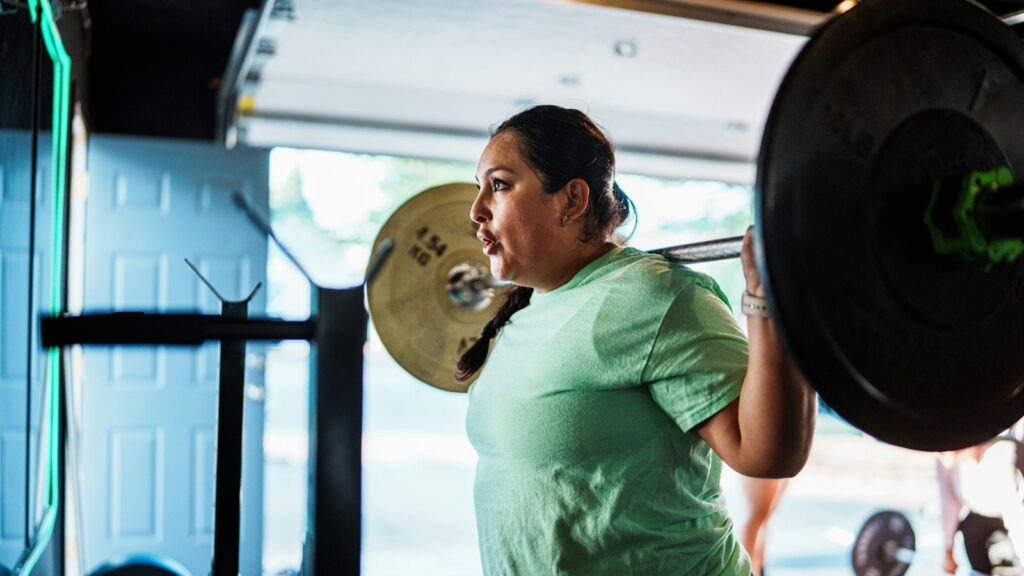
Progressive resistance training — loading a muscle and gradually increasing that load — is the single most reliably effective intervention. Studies in adults well into their eighties and nineties have shown meaningful gains in strength and function. Major public health bodies now recommend muscle-strengthening activity on at least two days a week for adults, alongside aerobic activity.
Two sessions a week covering the major muscle groups is a realistic starting point, and it does not require a gym: bodyweight movements, resistance bands and loaded carries all qualify.
Enough protein, distributed across the day
Older adults appear to need more protein per meal than younger adults to trigger the same muscle-building response — a phenomenon described as anabolic resistance. The practical implication is not just how much protein you eat but when. A day with 15g at breakfast, 20g at lunch and 70g at dinner is worse for muscle than the same total spread evenly.
Breakfast is where most people have the largest gap. Toast, cereal and fruit are typically well under 15g of protein, and that shortfall repeats every morning for years.
When to see a doctor. Weakness that comes on quickly, affects one side of the body, or arrives with numbness, unexplained weight loss or breathlessness is not sarcopenia and needs prompt medical assessment. Age-related muscle loss is gradual and symmetrical.
What to do this month
You do not need a programme overhaul. You need two changes that survive contact with a normal week.
- Add two strength sessions. Twenty minutes each. Squat or sit-to-stand, a push, a pull, and something carried.
- Fix breakfast. Get the first meal of the day to roughly 25–30g of protein and keep it there.
- Track function, not weight. Count how many times you can stand from a chair in thirty seconds. Retest in six weeks.
- Ask for a check. If you are over 60, or you have noticed a real change, ask your GP about grip strength testing and a review of any medication that affects appetite.
Muscle is unusual among age-related changes in how well it responds to being asked to do something. The tissue does not know how old you are. It only knows whether it is being used.
Sources and further reading
- National Institute on Aging. Health topics: exercise, nutrition and healthy ageing. www.nia.nih.gov/health
- World Health Organization. Physical activity fact sheet and guidelines. www.who.int/health-topics/physical-activity
- Centers for Disease Control and Prevention. Physical activity basics and adult guidelines. www.cdc.gov/physical-activity/
- Harvard T.H. Chan School of Public Health. The Nutrition Source. nutritionsource.hsph.harvard.edu/
This article is general information and is not a substitute for advice from a qualified clinician.