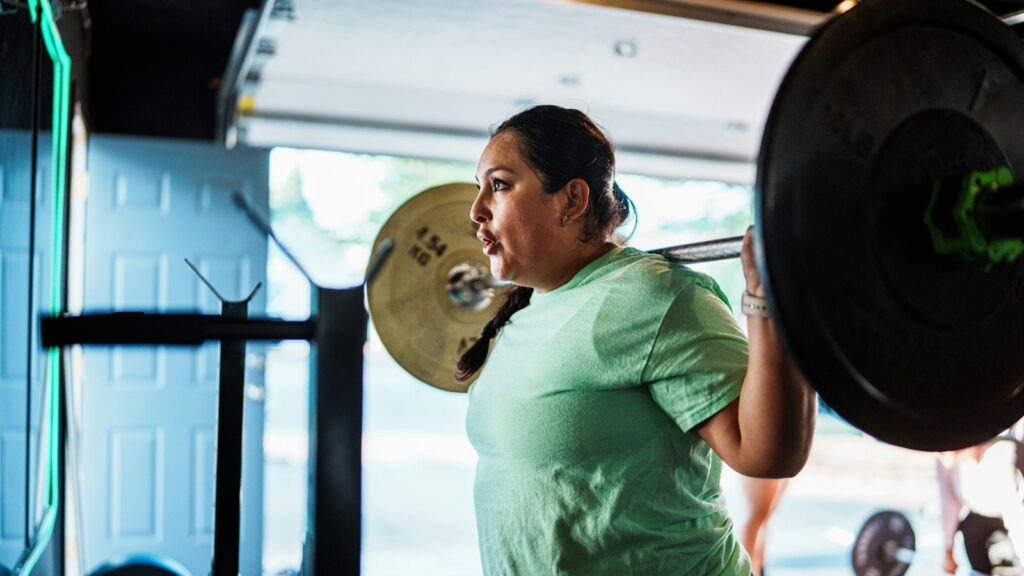
Strength Training After 50: What the Research Actually Shows
Resistance training has some of the strongest evidence of any intervention in later life — and studies in adults in their eighties and nineties show meaningful gains.

Resistance training has some of the strongest evidence of any intervention in later life — and studies in adults in their eighties and nineties show meaningful gains.

The afternoon slump has a small number of common causes. Most are correctable, and one of them needs a blood test rather than a coffee.

Intermittent fasting, late dinners and breakfast-skipping all have confident advocates. Here is what the evidence supports, and where it thins out.

The claim is everywhere, and the evidence is more interesting than the headline. Metabolic rate is remarkably stable through midlife — what changes is mostly something else.
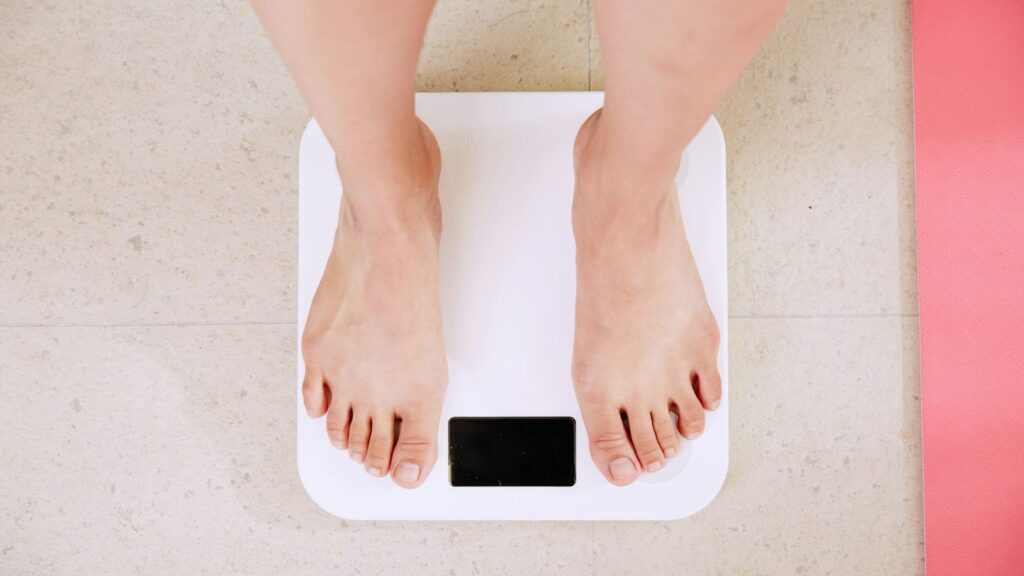
A stall after two or three months is the rule, not the exception. There are four mechanisms behind it, and none of them is a failure of willpower.
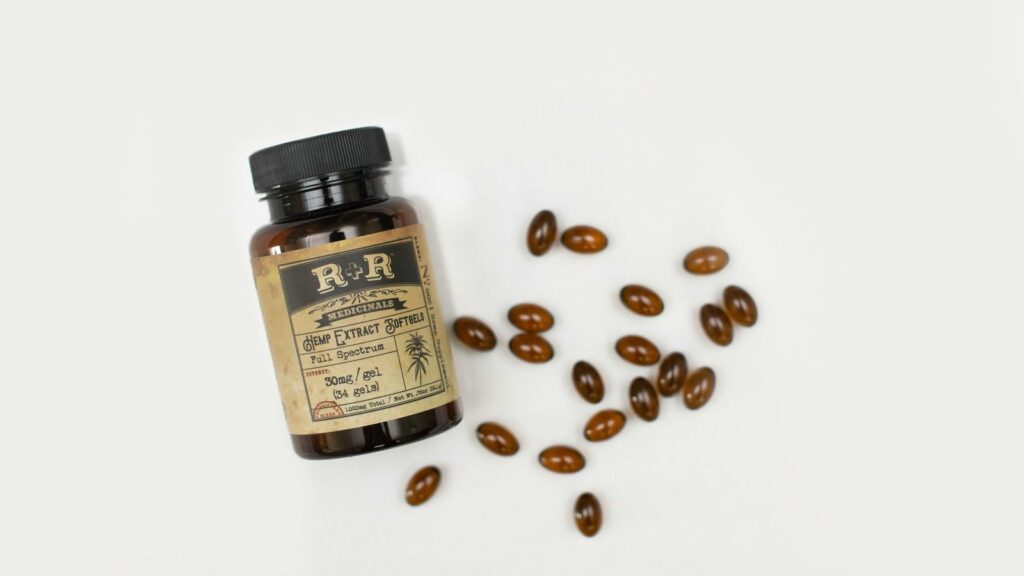
Some deficiencies are visible before they are symptomatic. Here are the six most common in European adults, what they look like, and why you should test rather than guess.

Official minimums were set to prevent deficiency, not to preserve muscle. Here is what the research suggests for adults over 40, and how to hit it.

A low-protein, high-refined-carbohydrate breakfast can shape your appetite and energy for the next eight hours. Here is the mechanism, and the fix.

Age-related muscle loss rarely announces itself. These are the seven signs clinicians look for, and the point at which each one is worth raising with a doctor.

Getting weaker in your forties is not simply ageing. It is a measurable, largely reversible process called sarcopenia — and most people miss the early signs.